Monica Bellucci Exclusive Interview
![<p>You’ve just starred in the French TV series Dix pour cent, and you played an opera singer in the US TV series Mozart in the Jungle.</p><p><strong>How do French and Italian TV compare to US TV, other than presumably having less money?</strong></p><p>In Italy, there have been very good TV series, like Gomorra. Even in France, they do very good TV series. Dix pour cent is on Netflix and is very successful.</p><p>Netflix gives a chance – even French and Italian series can go all over, and it’s a new way to communicate. [Jean-Luc] Godard used to say that when you look at TV you look down, and when you look at cinema you look up. But I think today everything is changing, and when you can see what we can do in TV series, what kind of roles actresses can have – like in Big Little Lies – it’s amazing to see all these actresses have amazing roles like that, and explore so many [facets of] the human condition.</p><p>So many people don’t go to the cinema. Cinema is in the home now, and that’s a great way to communicate with people who don’t often go to the cinema. But cinema too is communication.</p><p><strong>TV, cinema – if it’s good quality, why not [both]?</strong></p><p><strong>Have you any ambition to do theatre work?</strong></p><p>No, actually … But I’m sure one day I’m going to find something that gives me the feeling that I want to repeat it every night. It’s a special thing, theatre – [stage] actors tell me that all the time. When you’re onstage, every night is different because every night you have the new possibility to express the pièce.</p><p>I’m sure that one day I am going to have this experience. But for now, yes, just movies. What is beautiful about acting is that for some actors it never ends.</p><p>You can have [acting] experiences even when you’re 70. Even in France, actresses are “Mademoiselle” all their life – never “Madame”, always “Mademoiselle”. It’s a never-ending story in some way.</p><p>You’ve said before that you “come from the world of fashion”.</p><p><strong>Fashion, like acting, demands a degree of physical mastery – but does it have any emotional dimensions?</strong></p><p>Fashion gave me the possibility to get in touch with myself. Because actually, as I say all the time, the body is so important to express yourself. When you’re an actor, it’s like being a dancer in some way – everything gets through the body … you are your own instrument.</p><p>So the fashion world was interesting for me to get in touch with these feelings, and also, for me, it was a question of passion. When I was young, I was in love with pictures and I used to think that a beautiful picture can give you great emotions, like when you watch a great movie or read a great book. Through that I learnt that to be an actor is such special work, but also very fragile.</p><p>You are your own instrument, so everything can be very delicate: fragile but beautiful. Sometimes when you see incredible dancing – for example, I went to the Bolshoi and it was one of the most beautiful things I’ve seen in my life – you see how our bodies can make magical things. This is what happens to an actor, when they give their body for the role.</p><p>The body becomes an object of work. But you have to respect your body. Even when you give your soul for a role, you have to always respect your soul.</p><p>For me, it makes the work more interesting. [Physicality gives me] the possibility to get in touch with different people, different cultures. Like I said before, it is about communication, [whether I] work with Alice Rohrwacher or Sam Mendes or make an American TV series or a French TV series.</p><p>You’ve worked in film industries around the world.</p><p><strong>Obviously, the Harvey Weinstein scandal was huge last year; where is that kind of predatory sexual behaviour worst?</strong></p><p><strong>Is Hollywood particularly bad?</strong></p><p>I come from fashion, where of course young girls can get into those kinds of situation. So when I got into cinema I was already old enough to see how to deal with those situations. It’s true that when you’re young, you [are] in touch with people who are powerful and can use their power to make you feel humiliated.</p><p>This can happen. But I don’t know if that’s sexuality or just [pure] humiliation. Sometimes people are like two personalities – one is very intelligent and talented, [and the other is] completely sick.</p><p>It can be in any industry, any situation. It’s very difficult. It’s beautiful that women today can talk about it.</p><p>They’re less scared. Sometimes women are like birds – they get stuck in a cage and don’t go out, because they’re scared. To come out of this kind of feeling takes time.</p>](/_next/image?url=%2Fassets%2Fimg%2Fmonica-bellucci-interview02.jpg&w=3840&q=75&dpl=dpl_6dd3m2jn8Rr2zUXLeeEqhweB3PBE)
You’ve just starred in the French TV series Dix pour cent, and you played an opera singer in the US TV series Mozart in the Jungle.
How do French and Italian TV compare to US TV, other than presumably having less money?
In Italy, there have been very good TV series, like Gomorra. Even in France, they do very good TV series. Dix pour cent is on Netflix and is very successful.
Netflix gives a chance – even French and Italian series can go all over, and it’s a new way to communicate. [Jean-Luc] Godard used to say that when you look at TV you look down, and when you look at cinema you look up. But I think today everything is changing, and when you can see what we can do in TV series, what kind of roles actresses can have – like in Big Little Lies – it’s amazing to see all these actresses have amazing roles like that, and explore so many [facets of] the human condition.
So many people don’t go to the cinema. Cinema is in the home now, and that’s a great way to communicate with people who don’t often go to the cinema. But cinema too is communication.
TV, cinema – if it’s good quality, why not [both]?
Have you any ambition to do theatre work?
No, actually … But I’m sure one day I’m going to find something that gives me the feeling that I want to repeat it every night. It’s a special thing, theatre – [stage] actors tell me that all the time. When you’re onstage, every night is different because every night you have the new possibility to express the pièce.
I’m sure that one day I am going to have this experience. But for now, yes, just movies. What is beautiful about acting is that for some actors it never ends.
You can have [acting] experiences even when you’re 70. Even in France, actresses are “Mademoiselle” all their life – never “Madame”, always “Mademoiselle”. It’s a never-ending story in some way.
You’ve said before that you “come from the world of fashion”.
Fashion, like acting, demands a degree of physical mastery – but does it have any emotional dimensions?
Fashion gave me the possibility to get in touch with myself. Because actually, as I say all the time, the body is so important to express yourself. When you’re an actor, it’s like being a dancer in some way – everything gets through the body … you are your own instrument.
So the fashion world was interesting for me to get in touch with these feelings, and also, for me, it was a question of passion. When I was young, I was in love with pictures and I used to think that a beautiful picture can give you great emotions, like when you watch a great movie or read a great book. Through that I learnt that to be an actor is such special work, but also very fragile.
You are your own instrument, so everything can be very delicate: fragile but beautiful. Sometimes when you see incredible dancing – for example, I went to the Bolshoi and it was one of the most beautiful things I’ve seen in my life – you see how our bodies can make magical things. This is what happens to an actor, when they give their body for the role.
The body becomes an object of work. But you have to respect your body. Even when you give your soul for a role, you have to always respect your soul.
For me, it makes the work more interesting. [Physicality gives me] the possibility to get in touch with different people, different cultures. Like I said before, it is about communication, [whether I] work with Alice Rohrwacher or Sam Mendes or make an American TV series or a French TV series.
You’ve worked in film industries around the world.
Obviously, the Harvey Weinstein scandal was huge last year; where is that kind of predatory sexual behaviour worst?
Is Hollywood particularly bad?
I come from fashion, where of course young girls can get into those kinds of situation. So when I got into cinema I was already old enough to see how to deal with those situations. It’s true that when you’re young, you [are] in touch with people who are powerful and can use their power to make you feel humiliated.
This can happen. But I don’t know if that’s sexuality or just [pure] humiliation. Sometimes people are like two personalities – one is very intelligent and talented, [and the other is] completely sick.
It can be in any industry, any situation. It’s very difficult. It’s beautiful that women today can talk about it.
They’re less scared. Sometimes women are like birds – they get stuck in a cage and don’t go out, because they’re scared. To come out of this kind of feeling takes time.
You may also like
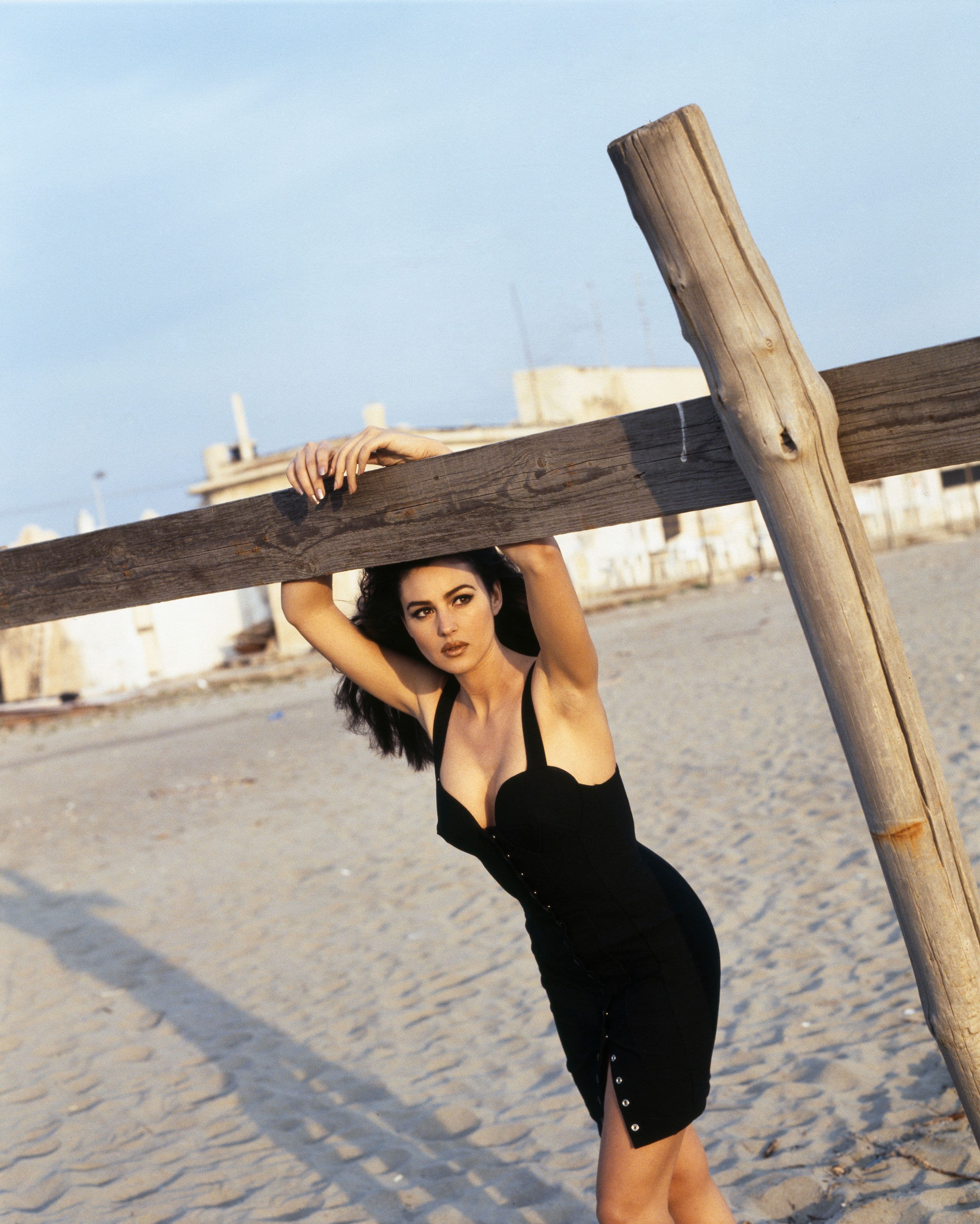 GalleryNew20 photos
20 Iconic Vintage Photos of Monica Bellucci
From her early modelling years to the red carpets of Cannes, these 20 iconic vintage photos trace Monica Bellucci’s evolving style between 1985 and 2006. Candid moments at home in Rome and on an Italian beach appear alongside memorable fashion looks, film stills and festival appearances, revealing the poise and cinematic presence that made her an enduring icon.
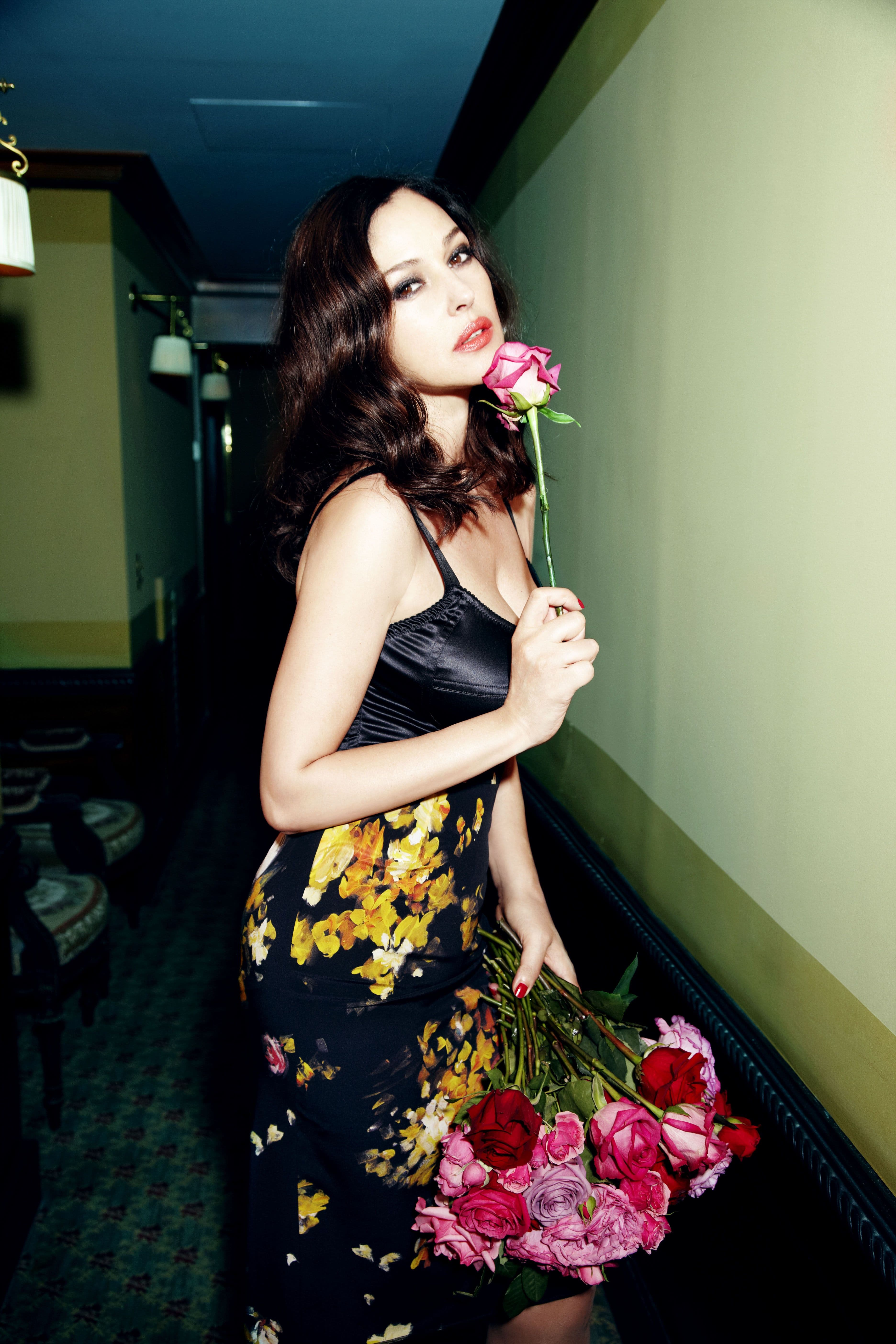 GalleryNew13 photos
Monica Bellucci by Ellen von Unwerth, 2012
Wearing a Dolce & Gabbana look from the 1990s, Monica Bellucci was photographed by Ellen von Unwerth for Glamour Italia’s April 2012 issue in a captivating editorial filled with cinematic glamour.
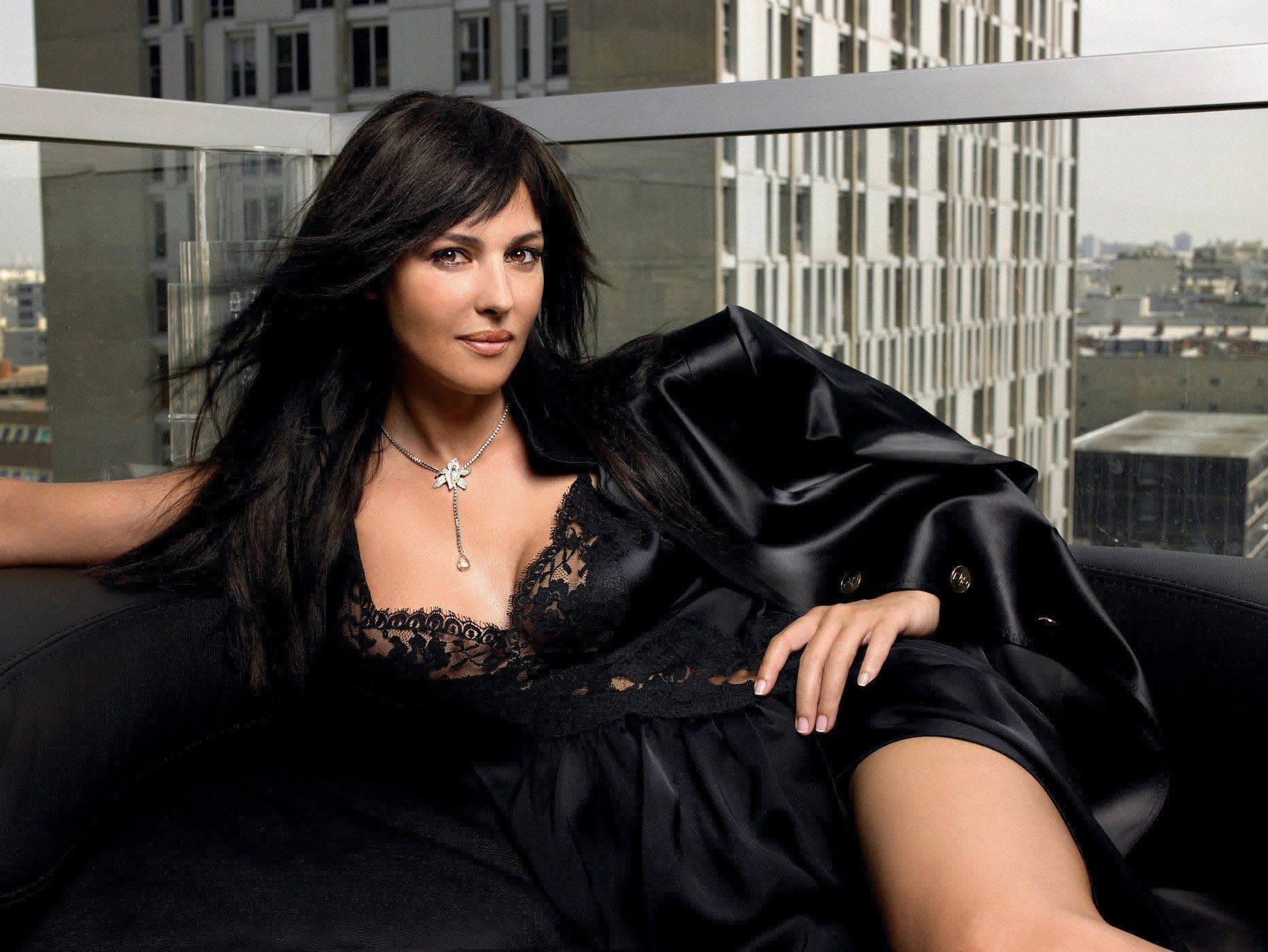 GalleryNew8 photos
Ageless Beauty: Monica Bellucci
Monica Bellucci’s ‘Ageless Beauty’ photoshoot for Glamour magazine was captured around 2005 by Japanese photographer Satoshi Saïkusa, revealing her timeless poise through a luminous series of portraits.
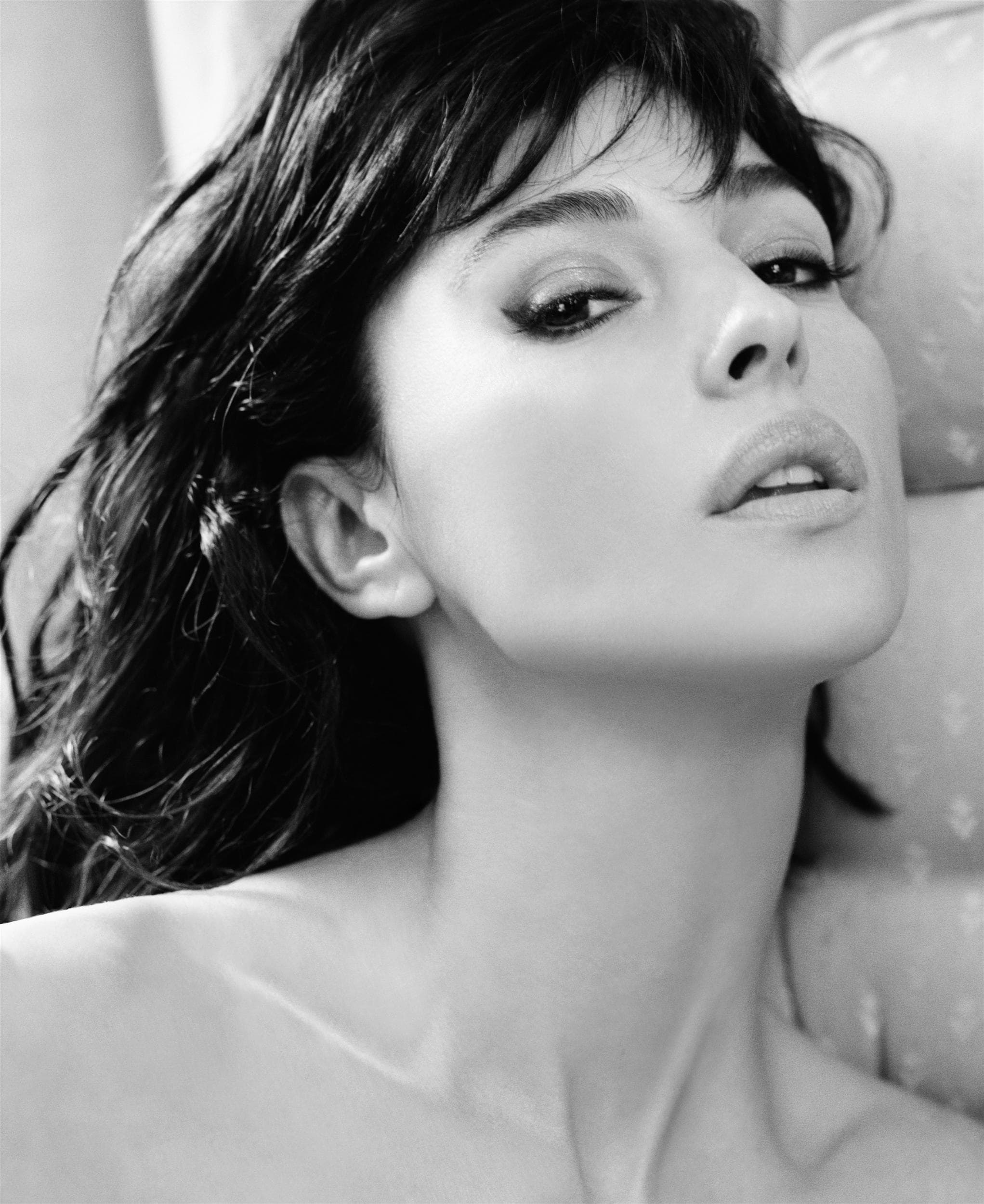 GalleryNew6 photos
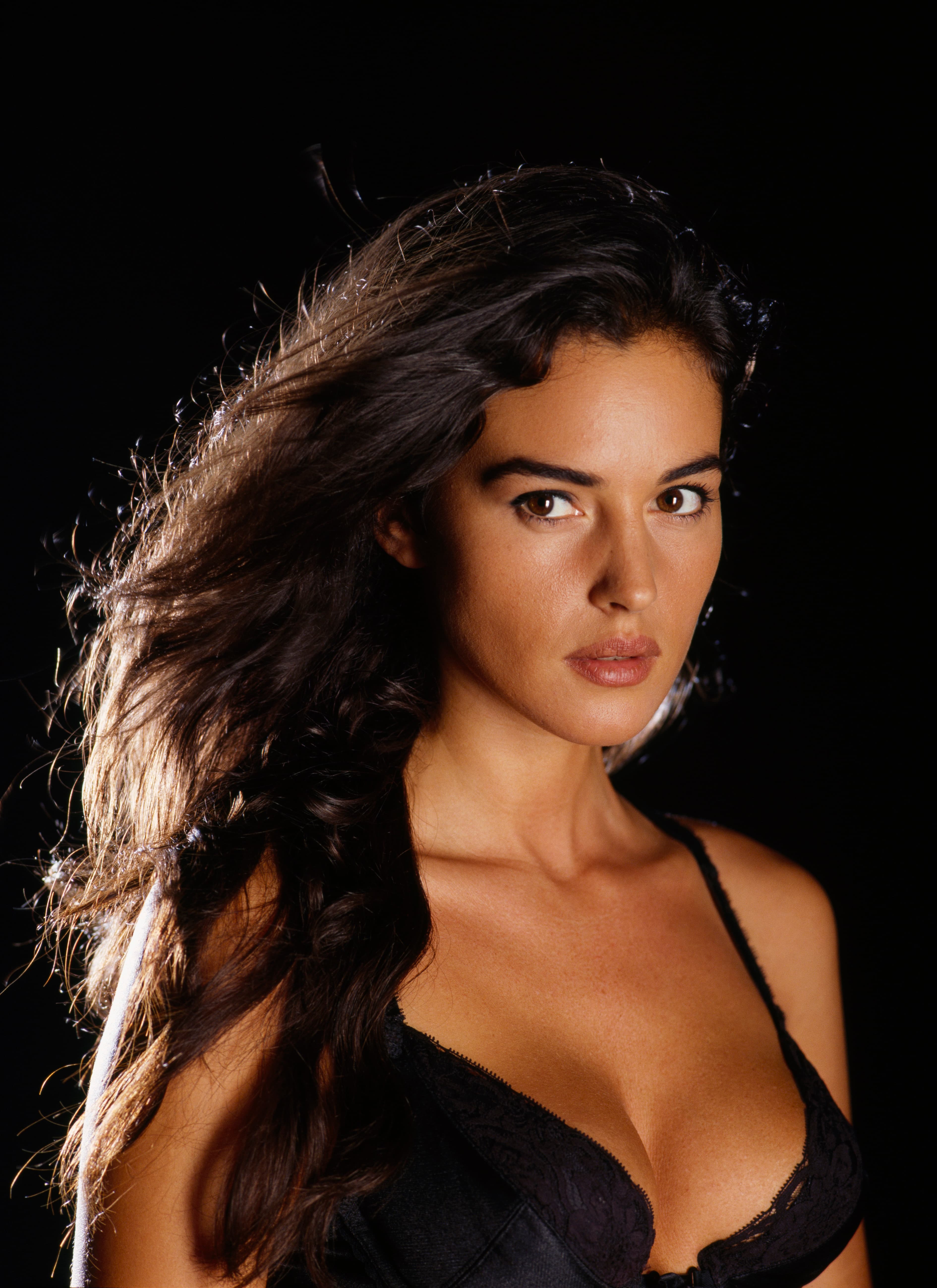
Monica Bellucci Black & White, 2002
Monica Bellucci photographed in black and white by James White for Flaunt Magazine, June 2002.
 GalleryNew25 photos
Monica Bellucci’s Timeless Beauty Looks
Across more than three decades, Monica Bellucci has treated beauty not as a passing trend but as an extension of character. From softly waved hair and luminous skin in the 1990s to sculpted red-carpet glamour and modern, understated makeup, these looks reveal a signature built on confidence, sensuality and an instinctive sense of timeless Italian elegance.
 GalleryNew30 photos
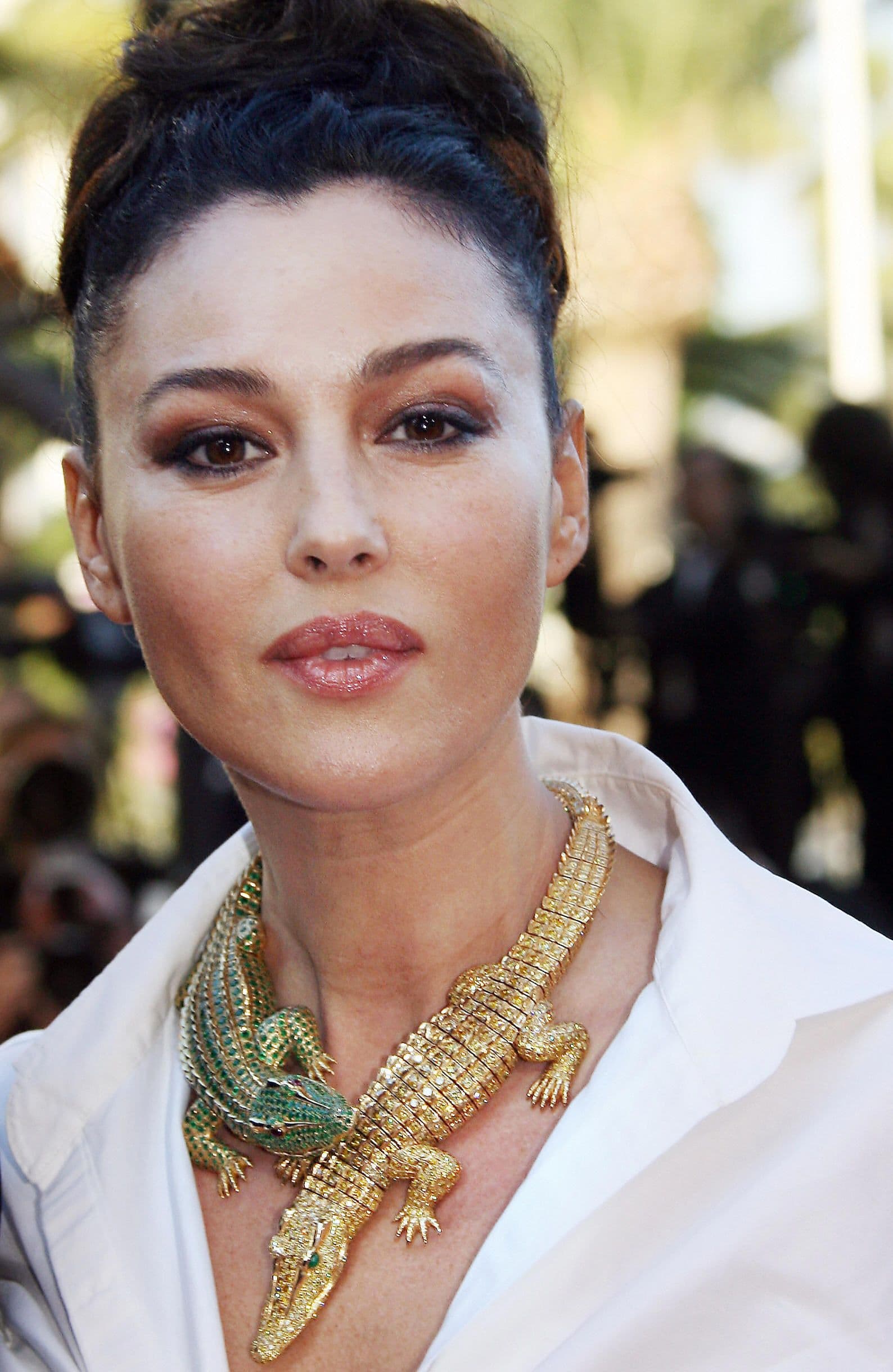
Monica Bellucci’s Most Breathtaking Jewellery Moments
Few modern icons command the language of high jewellery quite like Monica Bellucci. Where minimalist red-carpet styling often plays it safe, the Italian star embraces unapologetic drama—pairing understated, sculptural silhouettes by Dior and Dolce & Gabbana with breathtaking masterpieces from Cartier, Chopard and Boucheron.
Latest Contents
 New
NewMonica Bellucci: Tim Burton’s Vision for Vogue Italia — 4K
 New30 photos
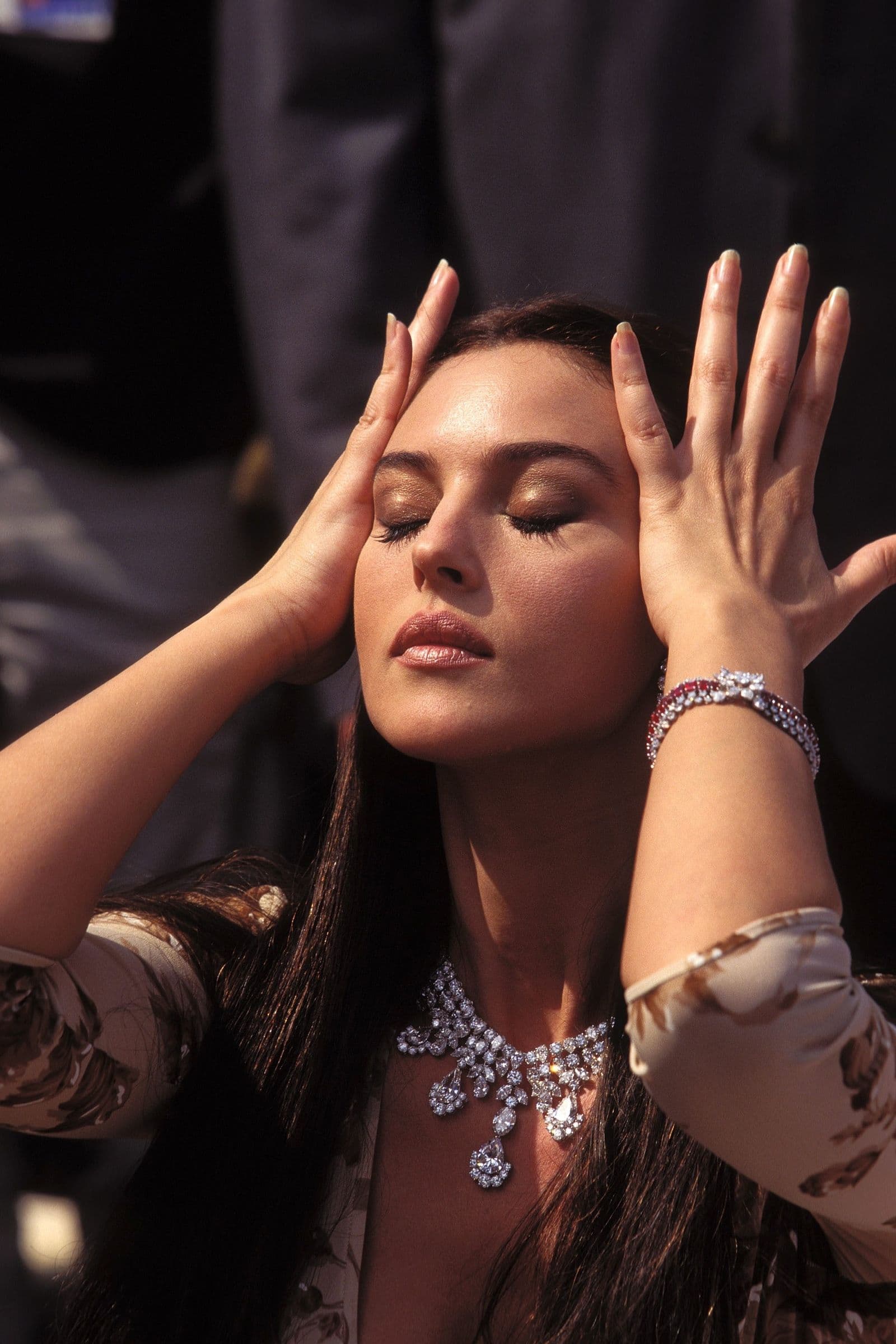
30 Iconic Cannes Moments of Monica Bellucci
 New
NewMonica Bellucci: Iconic Moments — 4K
 New6 photos
Monica Bellucci, Poise in Black
 New6 photos
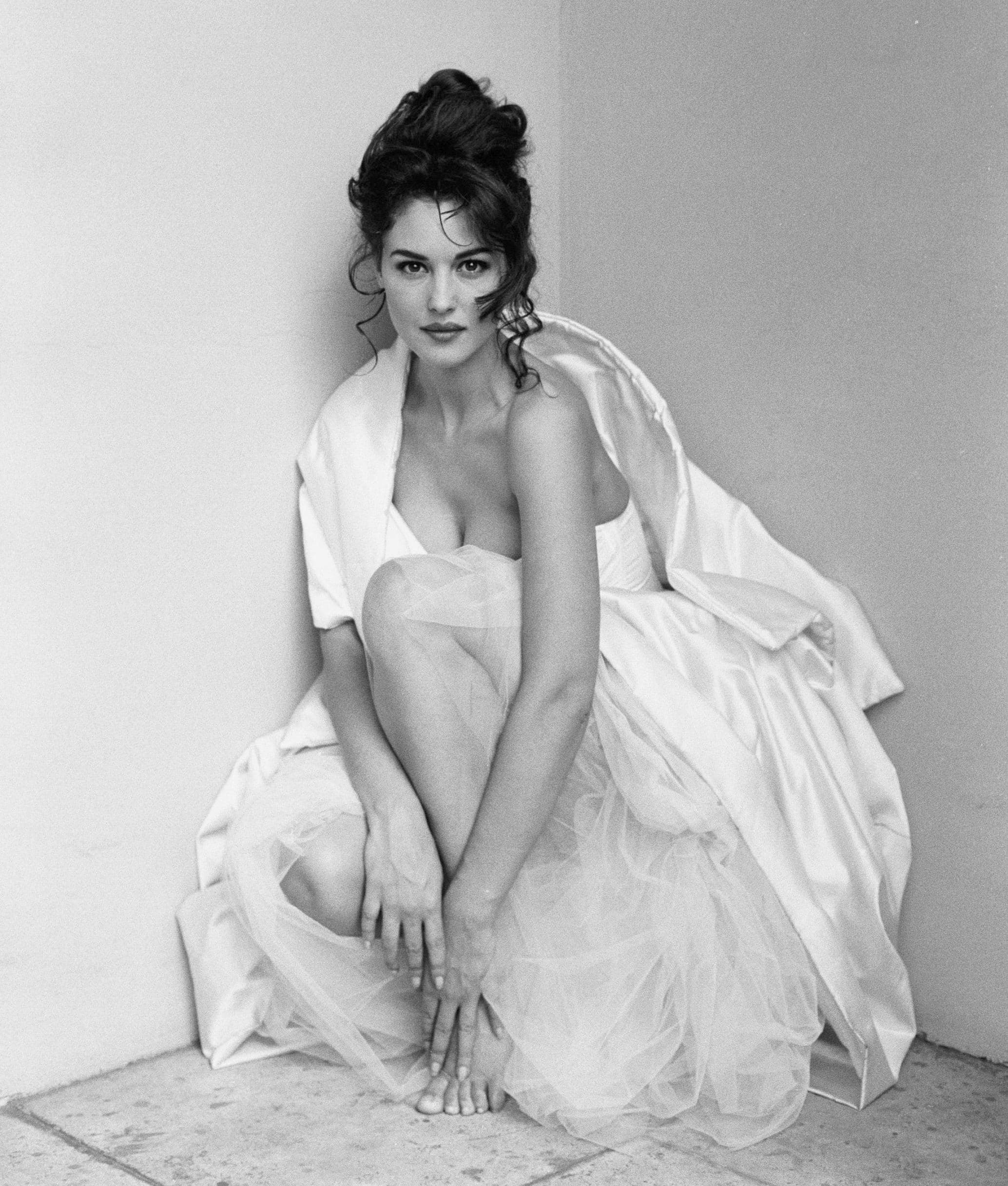
Black & White of Monica Bellucci, 1996
 New10 photos
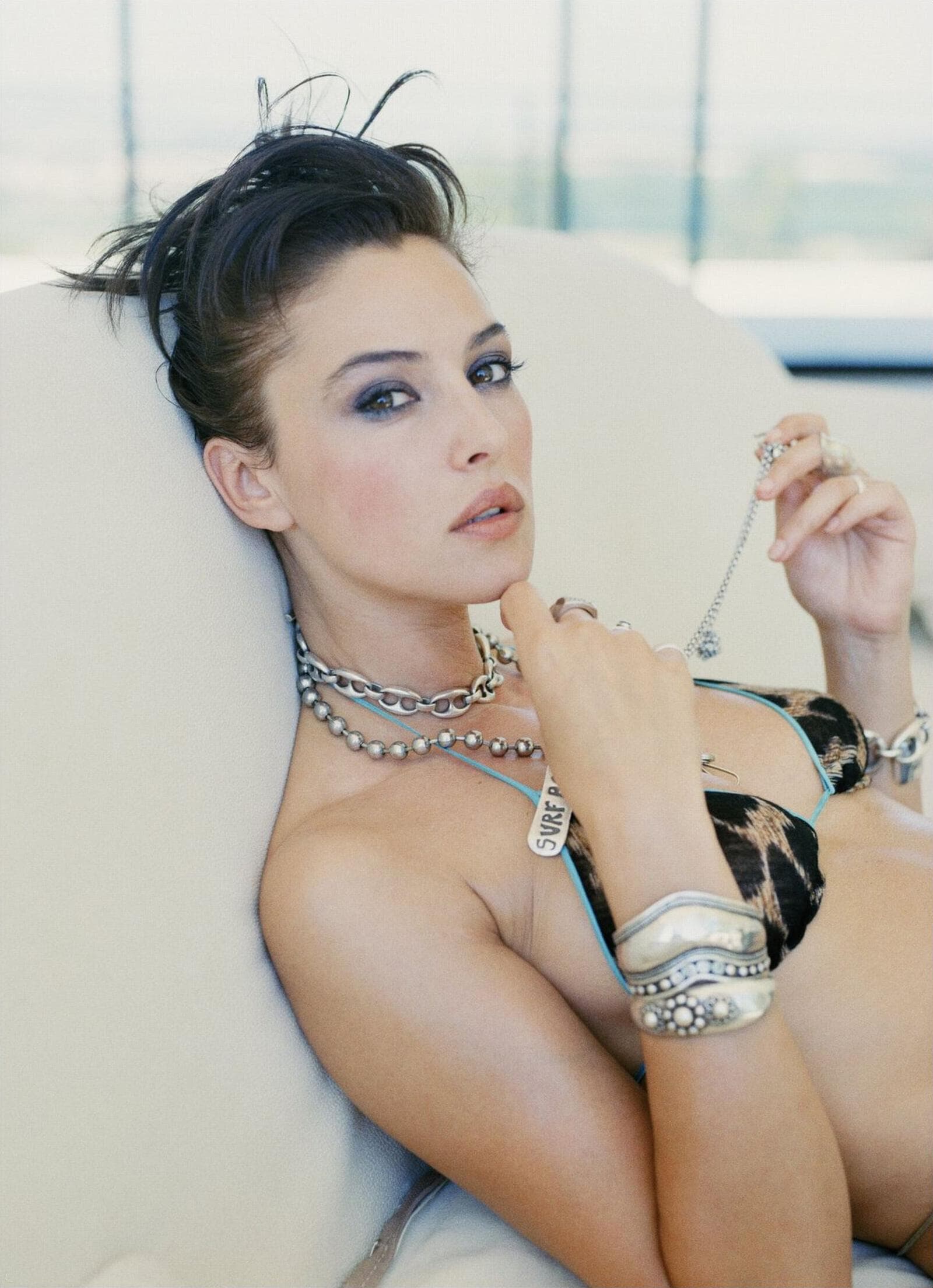
Intimate Portraits of Monica Bellucci, 1997
Comments (2)
I just wanna say, that Monica is the best ever female celebrity, I know. Wish you a very Happy and successful life. And the reason that makes me feel a really proud fan of "Monica", is that I have the same date of birth as my Superstar ❤️
Without any doubt, Monica is the best ever celebrity and offcourse the best female superstar for me. Its my wish to you Mam, that may you be blessed with all the success and happiness in your personal as well as the professional life, and be protected from the evil eye forever. The one major reason that made me a proud fan of you is that, I have the same date of birth as my Super Hero "Monica" Lots of love and respect to Signora Monica <3