2017 Cannes: At Home With Monica Bellucci
![<p>Of her role in the “Twin Peaks” reboot, Bellucci demurs: “All I can say is that I’m part of the cast and that I like what is blurred, because I’m a curious person. The world of David Lynch is all about discovery.” She says it was a “sign of the times” that this year’s festival is so strong on female talent, with 12 female directors in the official selection, Claudia Cardinale on the festival poster, and Pedro Almodóvar, “who has made so many films dedicated to women,” president of the jury.</p><p>“As a child, I used to dream about all the Italian leading ladies like Sophia Loren, Silvana Mangano and Monica Vitti, but at the time, for actresses all over the world, regardless of their beauty and talent, after 40 it became so difficult to hold on to a career. And now things are changing,” she notes. “I live in France where there are all these incredible actresses like Isabelle Huppert, Catherine Deneuve or Nathalie Baye, and in England you have Helen Mirren and Judi Dench.</p><p>In James Bond, I was in it for maybe 15 minutes, but there was such a strong reaction to the role because it was the first time in history that a [mature] woman was in James Bond’s arms.” On choosing to live in France, Bellucci says: “Italy gave me this sense of maternity, but women in France taught me this sense of freedom. Even if I love Italy and the femininity of Italian women, and I am profoundly Italian, in France I realize how much women fought for their rights.</p><p>That’s why there are all these interesting writers and directors. Little by little things are changing in Italy, but we come from a Mediterranean culture, and a macho culture, and to come out from that takes time.” Bellucci says she’s grateful for the range of projects and directors she has worked with, recalling the “stereotyping” she experienced in her mid-20s when she made the transition from modeling into acting, as “one of a million girls” treading the same route.</p><p>Her breakout film was “L’Appartement” in 1996, on which she met Cassel and which led to her first American project, “Under Suspicion,” also starring Morgan Freeman and Gene Hackman, and subsequently her first Cannes Film Festival, in 2000. Without the festival, her career, she says, “would not have been the same, and each time was a different experience.” “My first time was such an emotional rush — the red carpet, the photographers, all the people screaming,” recalls the actress.</p><p>“It’s like a big arena, the Colosseum, and you’re in there with the lions. If a film is liked, it’s great, but when it’s not well received, you get all the reactions. That’s what happened in 2002 when I went with ‘Irreversible.’</p><p>Many loved it, and others hated it; people were walking out of the cinema,” she says of the film, in which her character is raped during a 10-minute scene that many critics found unwatchable. “Years later, it became a cult film, which proves that to really judge a movie, it has to come out from the context and be given time to see if it sticks,” she remarks. “Cannes is art, culture, glamor, industry.</p><p>And also we have to think about all those movies made on zero budget in difficult conditions and through these directors who have the courage to make these movies, we get to discover culture that, without Cannes, would be impossible,” adds Bellucci. “Just from my simple experience, I’ve been in Cannes with ‘The Matrix Reloaded’ [2003], for example, but also with ‘Irreversible, or The Wonders’ [which scooped the Grand Jury prize in 2014], by Italian director Alice Rohrwacher, and those are very intimate movies that, without Cannes, would not have existed. Through Cannes they made an international career and were sold all over the world.</p><p>Cannes is one of the most important festivals that allows for so many unique movies to exist.”</p>](/_next/image?url=%2Fassets%2Fimg%2F2017-cannes-monicabellucci2.jpg&w=3840&q=75&dpl=dpl_Dw72EEAGQHrKgCD8AcnjJVeJx5Fq)
Of her role in the “Twin Peaks” reboot, Bellucci demurs: “All I can say is that I’m part of the cast and that I like what is blurred, because I’m a curious person. The world of David Lynch is all about discovery.” She says it was a “sign of the times” that this year’s festival is so strong on female talent, with 12 female directors in the official selection, Claudia Cardinale on the festival poster, and Pedro Almodóvar, “who has made so many films dedicated to women,” president of the jury.
“As a child, I used to dream about all the Italian leading ladies like Sophia Loren, Silvana Mangano and Monica Vitti, but at the time, for actresses all over the world, regardless of their beauty and talent, after 40 it became so difficult to hold on to a career. And now things are changing,” she notes. “I live in France where there are all these incredible actresses like Isabelle Huppert, Catherine Deneuve or Nathalie Baye, and in England you have Helen Mirren and Judi Dench.
In James Bond, I was in it for maybe 15 minutes, but there was such a strong reaction to the role because it was the first time in history that a [mature] woman was in James Bond’s arms.” On choosing to live in France, Bellucci says: “Italy gave me this sense of maternity, but women in France taught me this sense of freedom. Even if I love Italy and the femininity of Italian women, and I am profoundly Italian, in France I realize how much women fought for their rights.
That’s why there are all these interesting writers and directors. Little by little things are changing in Italy, but we come from a Mediterranean culture, and a macho culture, and to come out from that takes time.” Bellucci says she’s grateful for the range of projects and directors she has worked with, recalling the “stereotyping” she experienced in her mid-20s when she made the transition from modeling into acting, as “one of a million girls” treading the same route.
Her breakout film was “L’Appartement” in 1996, on which she met Cassel and which led to her first American project, “Under Suspicion,” also starring Morgan Freeman and Gene Hackman, and subsequently her first Cannes Film Festival, in 2000. Without the festival, her career, she says, “would not have been the same, and each time was a different experience.” “My first time was such an emotional rush — the red carpet, the photographers, all the people screaming,” recalls the actress.
“It’s like a big arena, the Colosseum, and you’re in there with the lions. If a film is liked, it’s great, but when it’s not well received, you get all the reactions. That’s what happened in 2002 when I went with ‘Irreversible.’
Many loved it, and others hated it; people were walking out of the cinema,” she says of the film, in which her character is raped during a 10-minute scene that many critics found unwatchable. “Years later, it became a cult film, which proves that to really judge a movie, it has to come out from the context and be given time to see if it sticks,” she remarks. “Cannes is art, culture, glamor, industry.
And also we have to think about all those movies made on zero budget in difficult conditions and through these directors who have the courage to make these movies, we get to discover culture that, without Cannes, would be impossible,” adds Bellucci. “Just from my simple experience, I’ve been in Cannes with ‘The Matrix Reloaded’ [2003], for example, but also with ‘Irreversible, or The Wonders’ [which scooped the Grand Jury prize in 2014], by Italian director Alice Rohrwacher, and those are very intimate movies that, without Cannes, would not have existed. Through Cannes they made an international career and were sold all over the world.
Cannes is one of the most important festivals that allows for so many unique movies to exist.”
You may also like
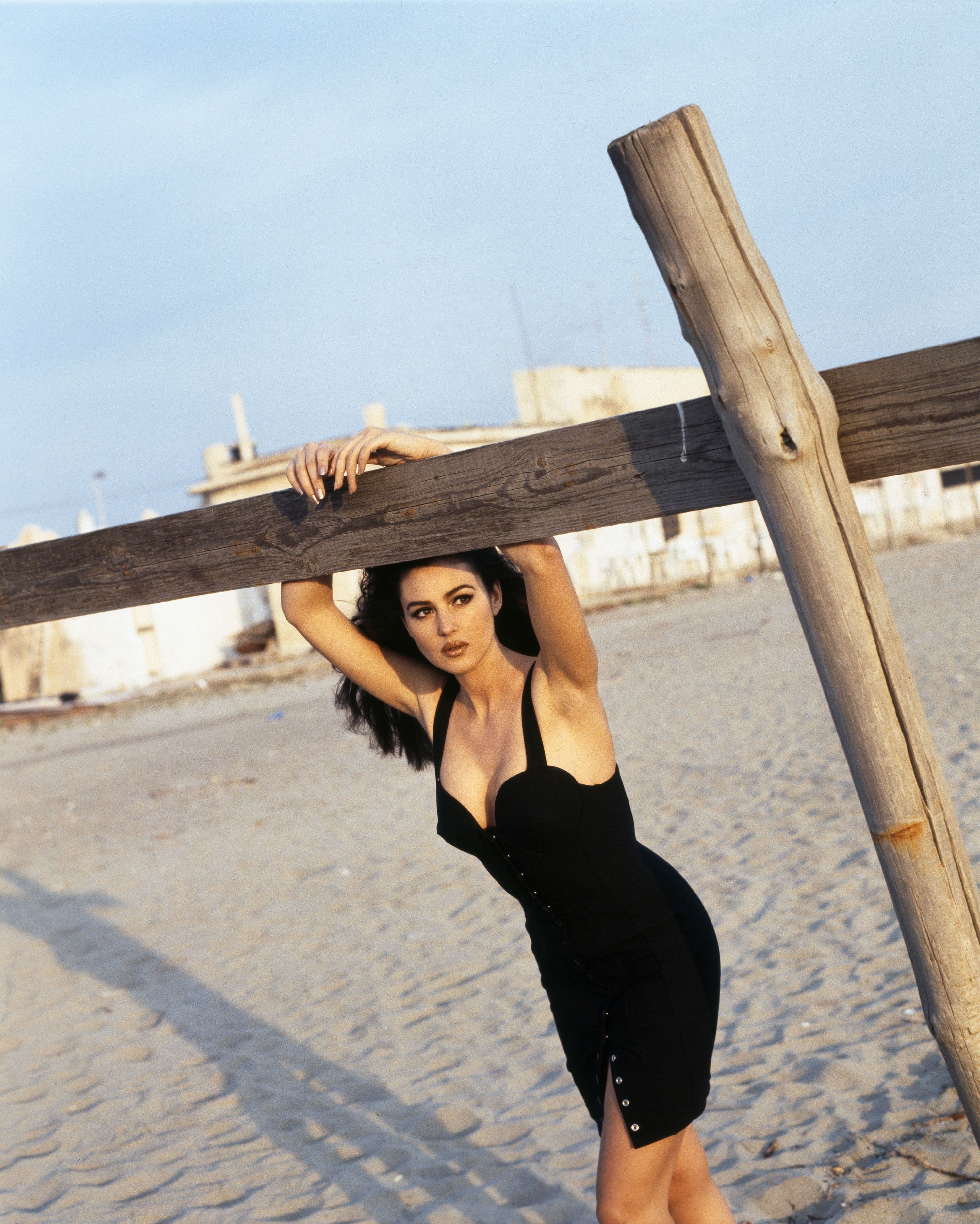 GalleryNew20 photos
20 Iconic Vintage Photos of Monica Bellucci
From her early modelling years to the red carpets of Cannes, these 20 iconic vintage photos trace Monica Bellucci’s evolving style between 1985 and 2006. Candid moments at home in Rome and on an Italian beach appear alongside memorable fashion looks, film stills and festival appearances, revealing the poise and cinematic presence that made her an enduring icon.
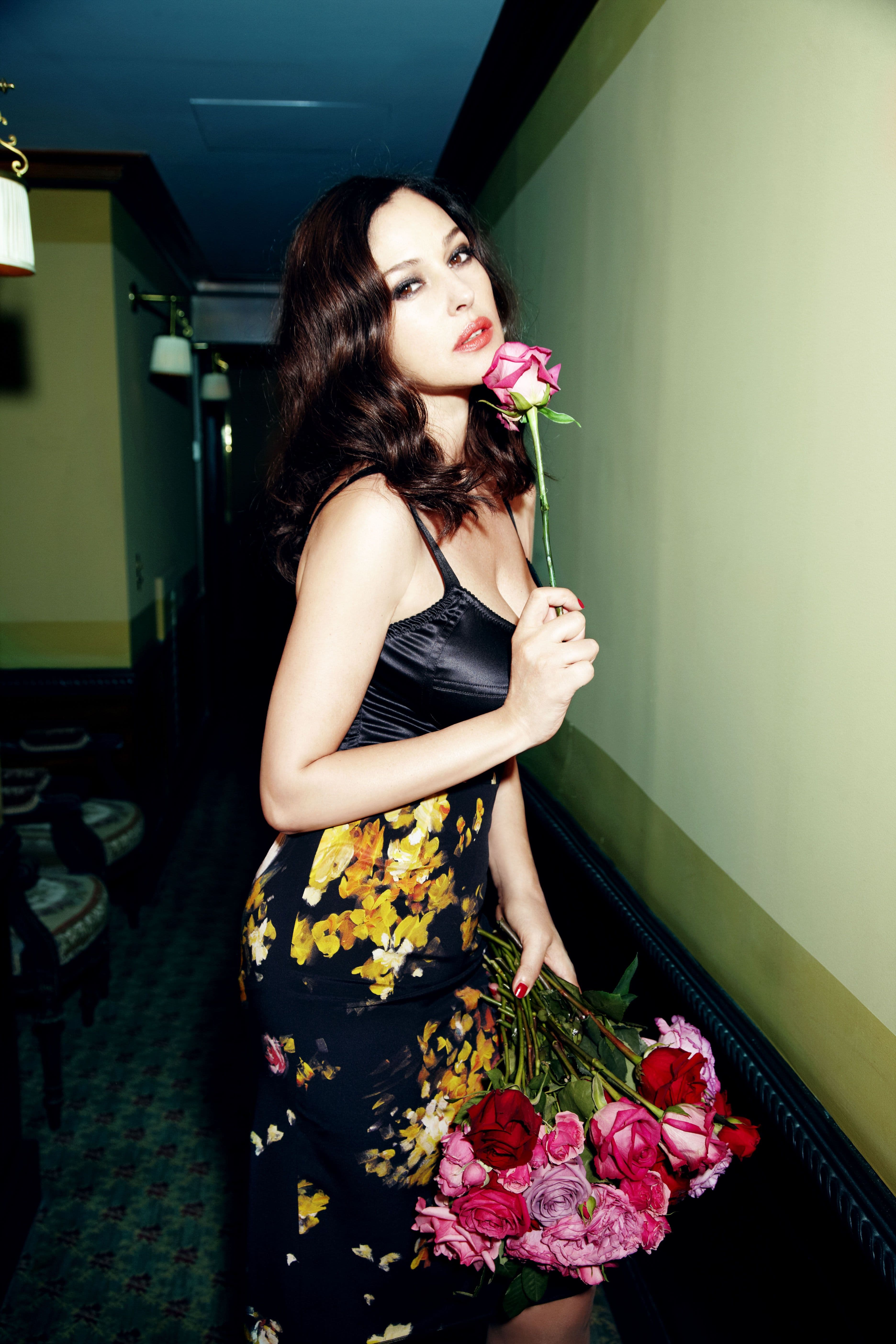 GalleryNew13 photos
Monica Bellucci by Ellen von Unwerth, 2012
Wearing a Dolce & Gabbana look from the 1990s, Monica Bellucci was photographed by Ellen von Unwerth for Glamour Italia’s April 2012 issue in a captivating editorial filled with cinematic glamour.
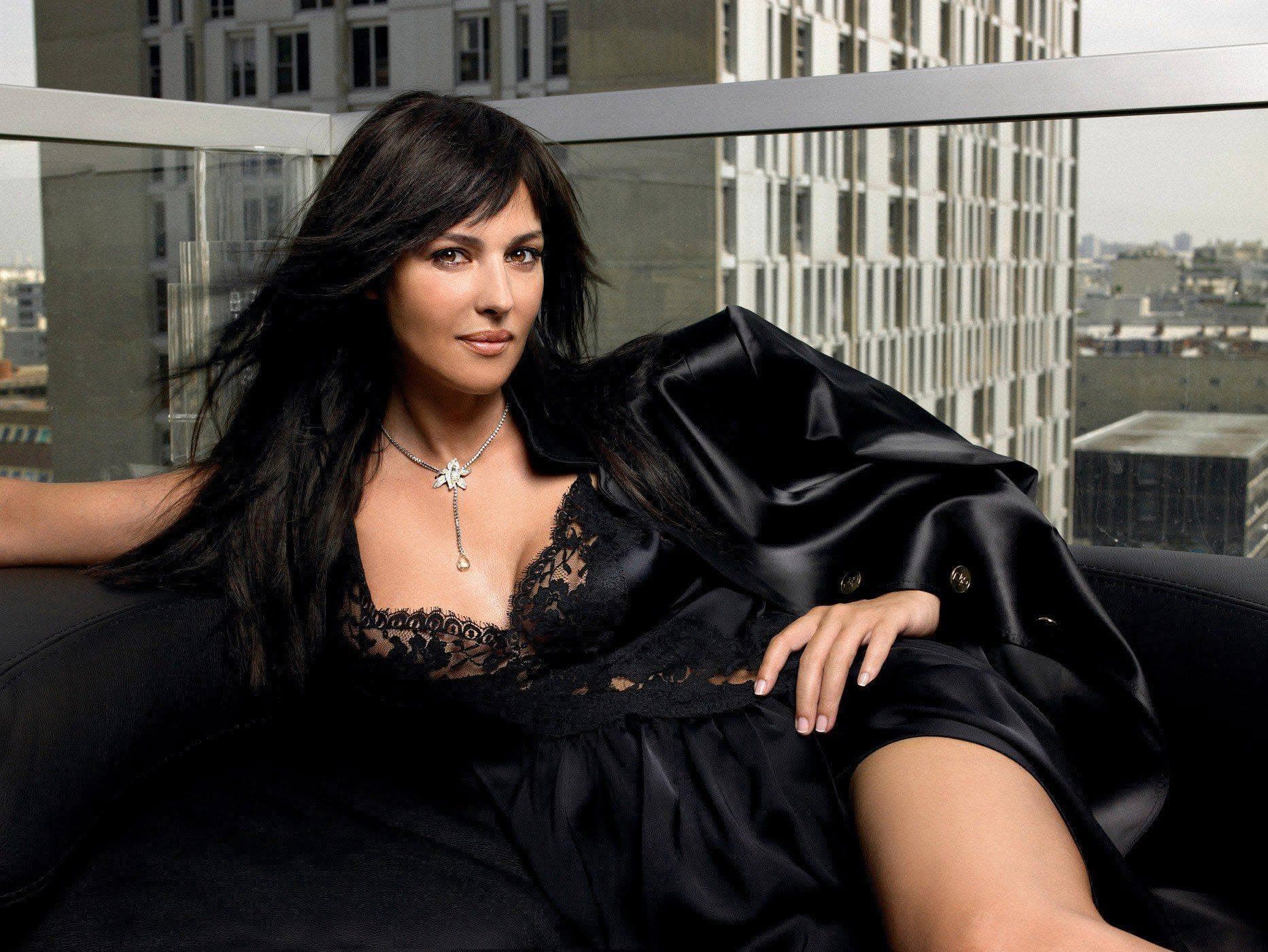 GalleryNew8 photos
Ageless Beauty: Monica Bellucci
Monica Bellucci’s ‘Ageless Beauty’ photoshoot for Glamour magazine was captured around 2005 by Japanese photographer Satoshi Saïkusa, revealing her timeless poise through a luminous series of portraits.
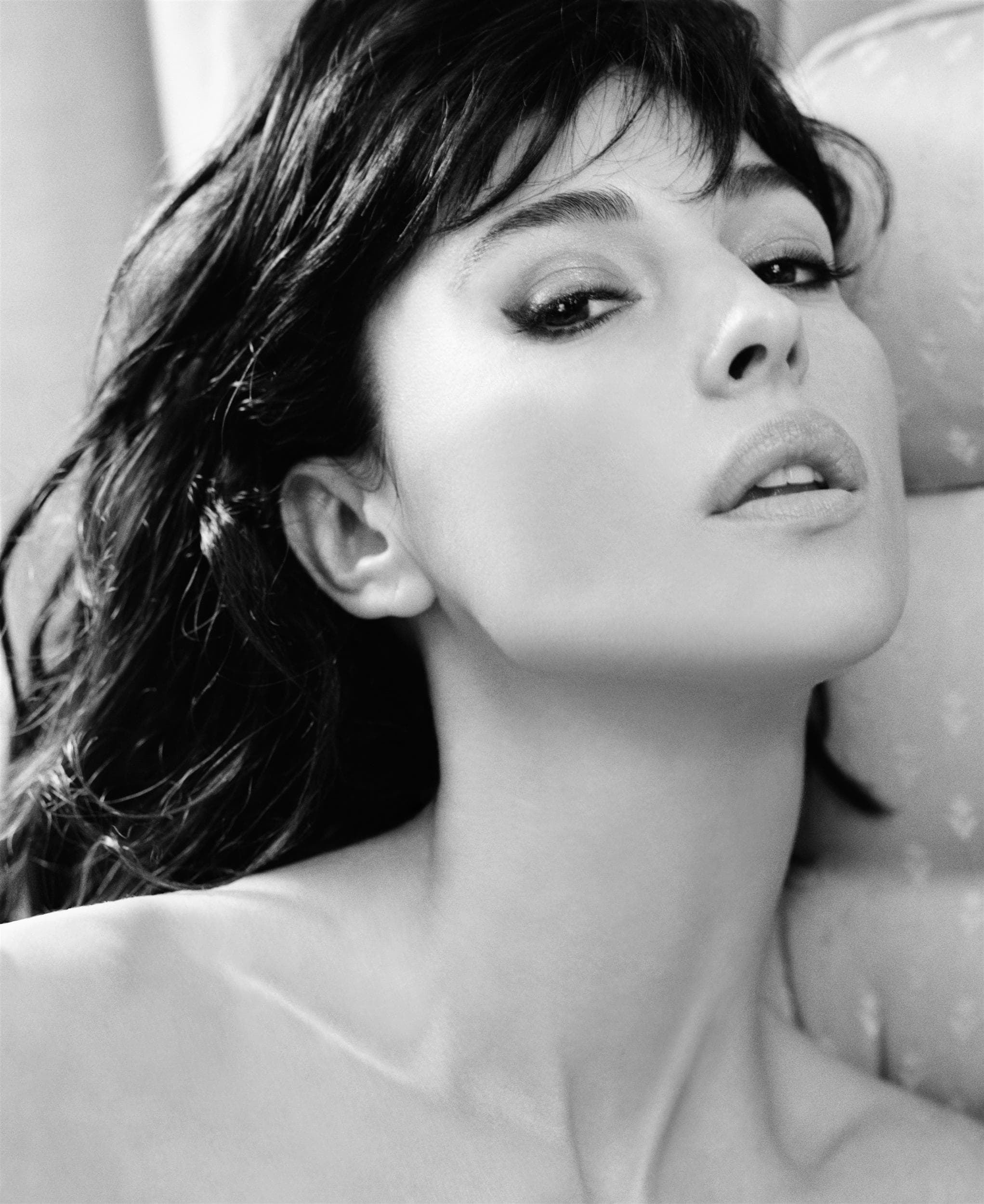 GalleryNew6 photos
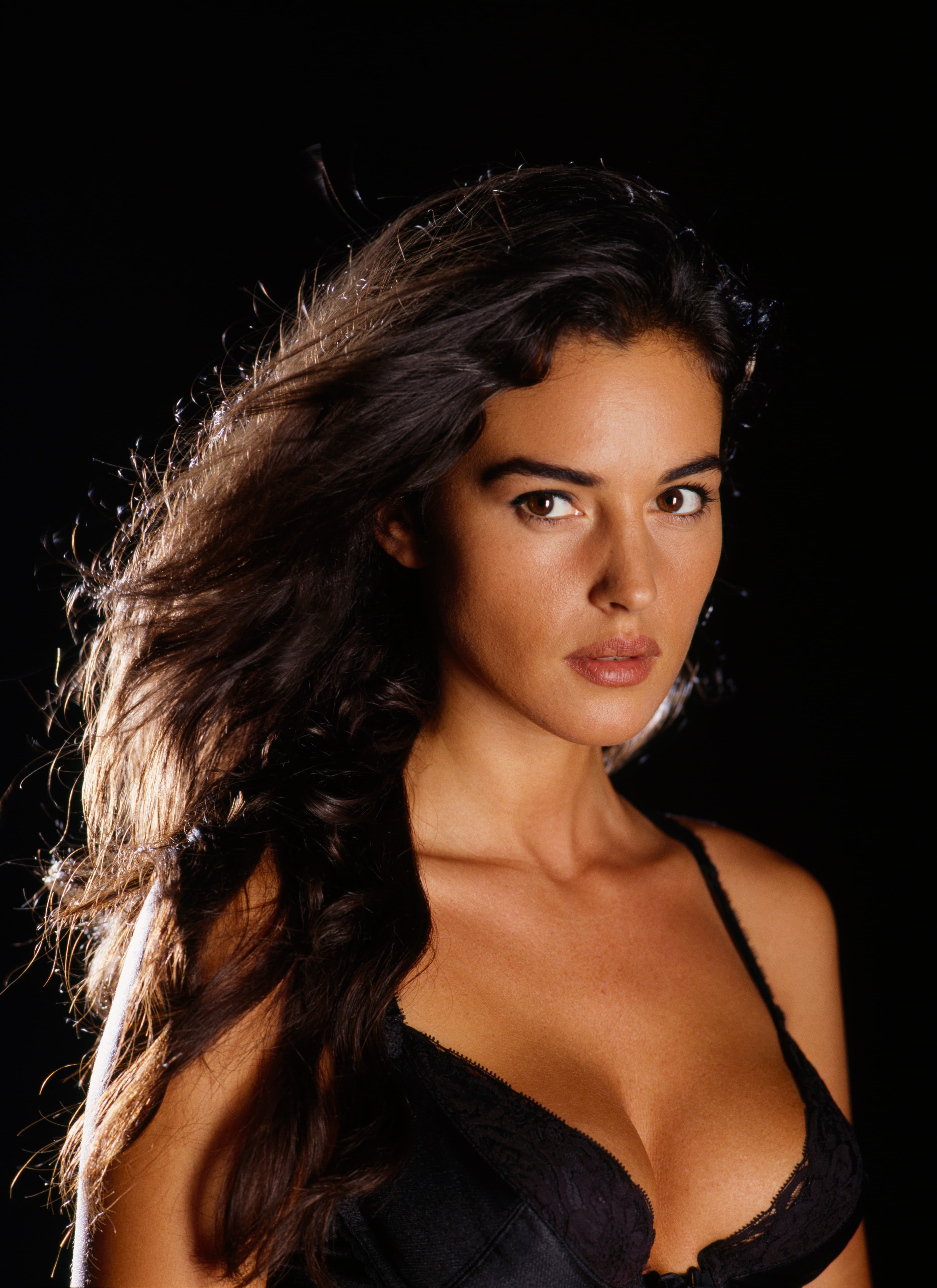
Monica Bellucci Black & White, 2002
Monica Bellucci photographed in black and white by James White for Flaunt Magazine, June 2002.
 GalleryNew25 photos
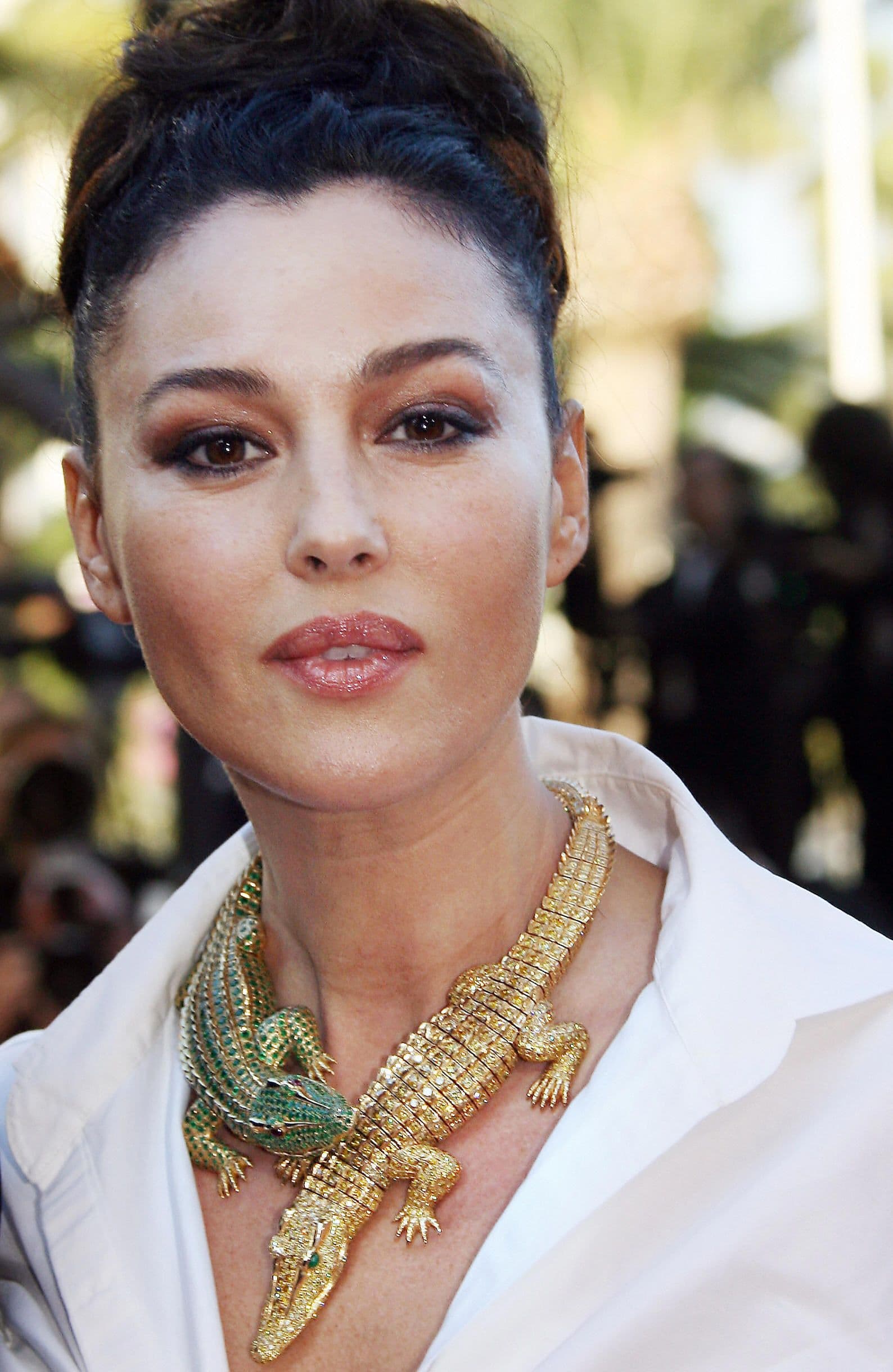
Monica Bellucci’s Timeless Beauty Looks
Across more than three decades, Monica Bellucci has treated beauty not as a passing trend but as an extension of character. From softly waved hair and luminous skin in the 1990s to sculpted red-carpet glamour and modern, understated makeup, these looks reveal a signature built on confidence, sensuality and an instinctive sense of timeless Italian elegance.
 GalleryNew30 photos
Monica Bellucci’s Most Breathtaking Jewellery Moments
Few modern icons command the language of high jewellery quite like Monica Bellucci. Where minimalist red-carpet styling often plays it safe, the Italian star embraces unapologetic drama—pairing understated, sculptural silhouettes by Dior and Dolce & Gabbana with breathtaking masterpieces from Cartier, Chopard and Boucheron.
Latest Contents
 New
NewMonica Bellucci: Tim Burton’s Vision for Vogue Italia — 4K
 New30 photos
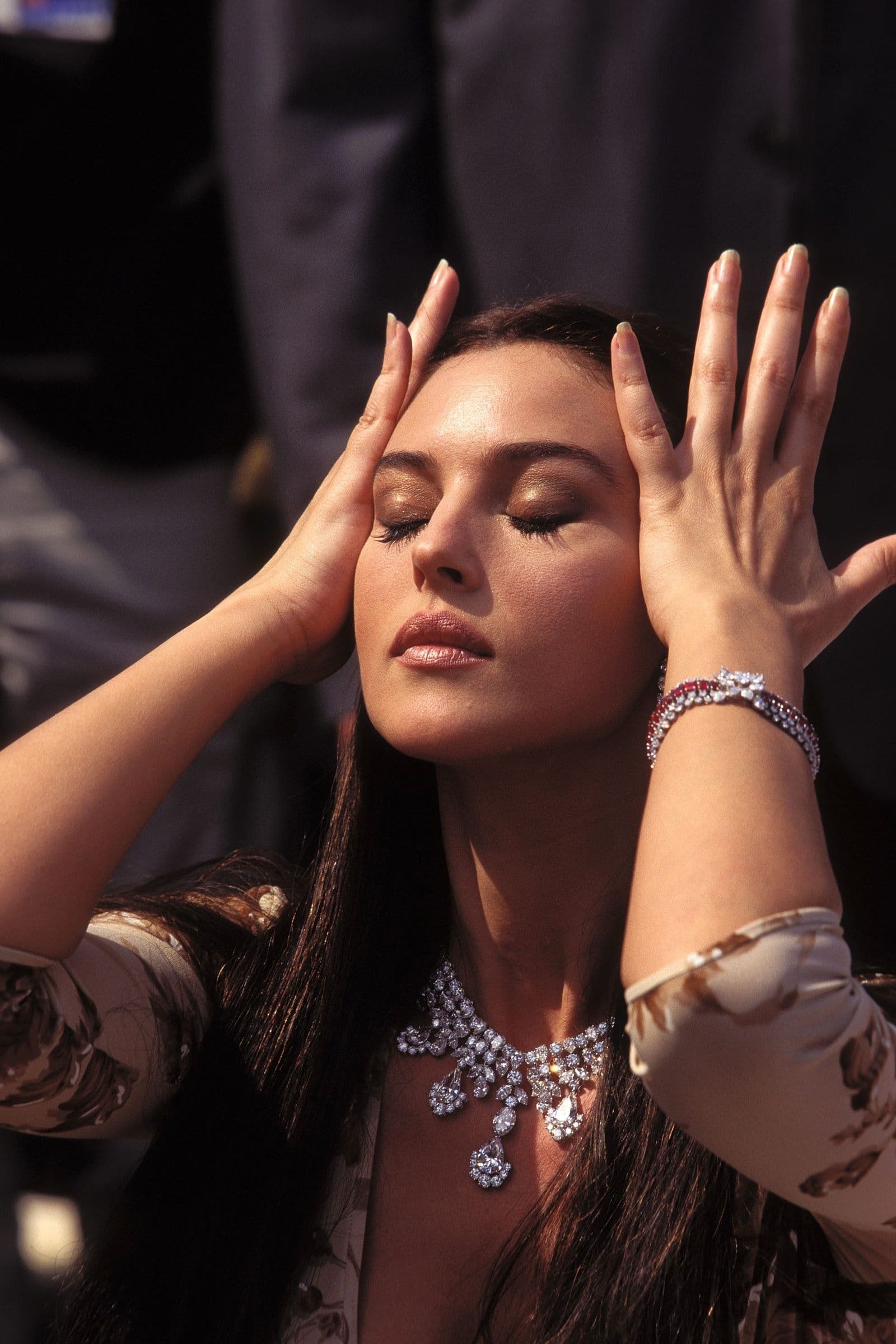
30 Iconic Cannes Moments of Monica Bellucci
 New
NewMonica Bellucci: Iconic Moments — 4K
 New6 photos
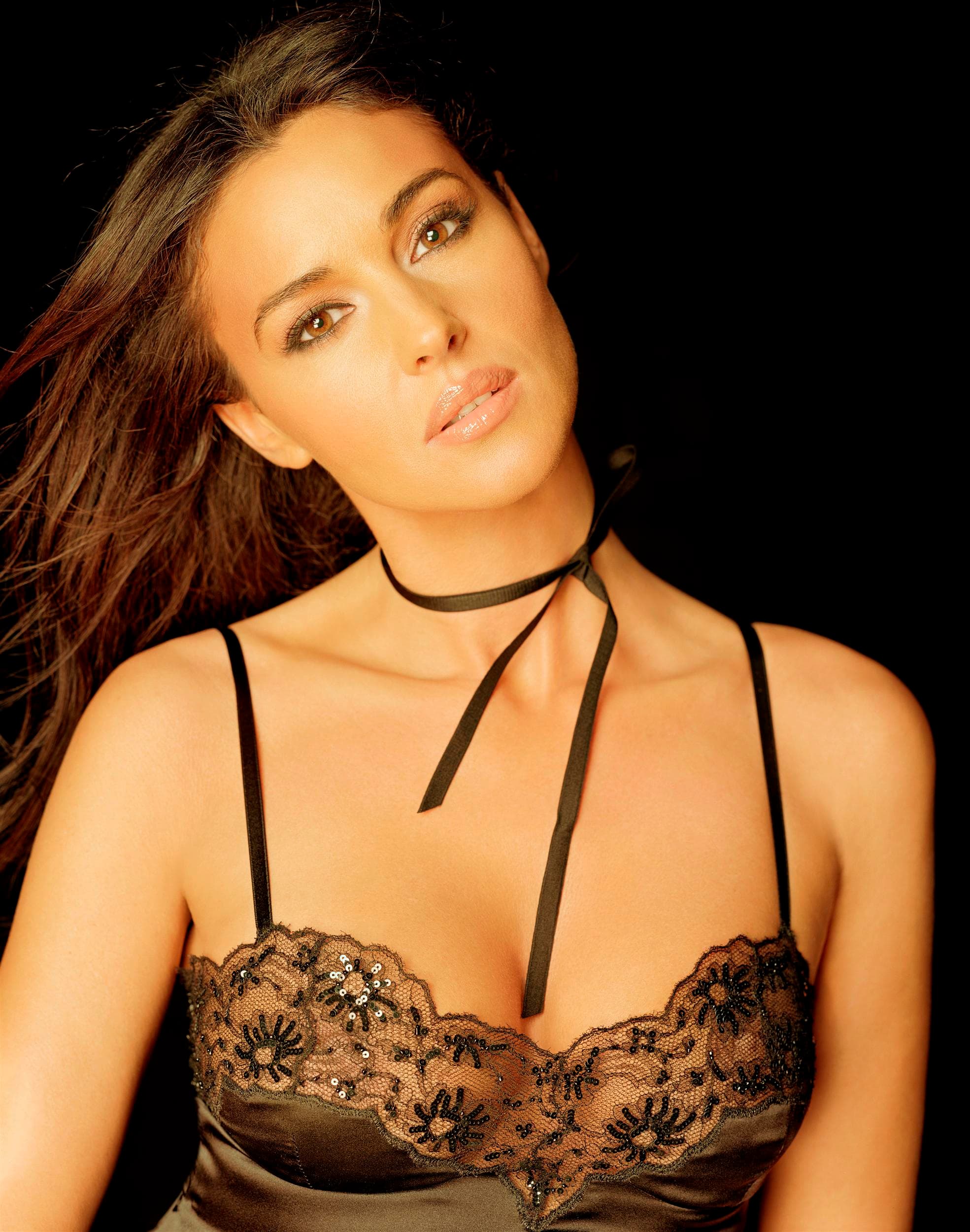
Monica Bellucci, Poise in Black
 New6 photos
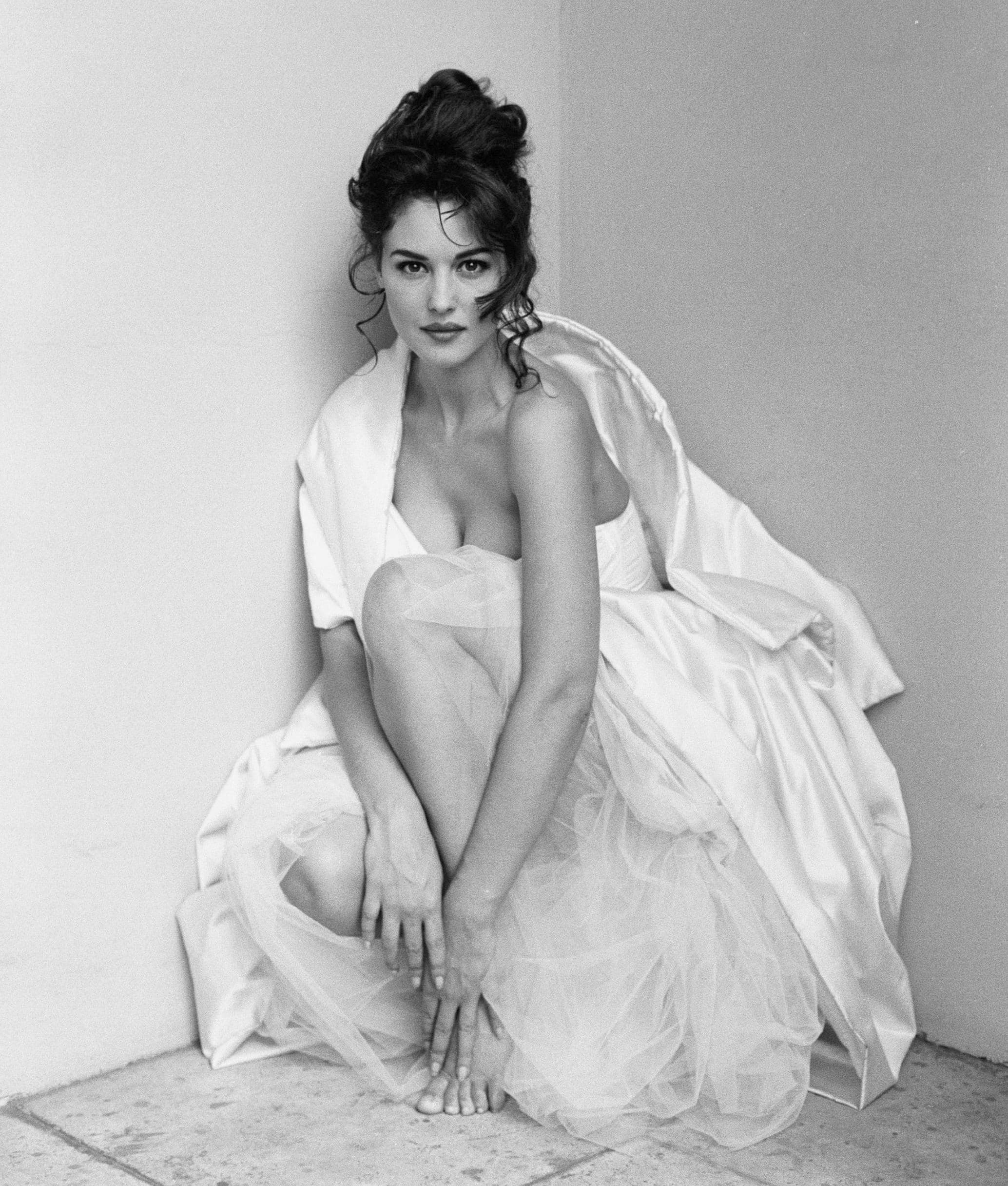
Black & White of Monica Bellucci, 1996
 New10 photos